
Tennis in the Philippines has a passionate and growing community, blending a rich historical legacy with a modern resurgence driven by local clubs, academies, and grassroots programs.
Here is an overview of the tennis landscape in the country:
1. Historical Roots & Milestones
- A Proud Asian Powerhouse: The Philippines has a surprisingly deep tennis pedigree. During the mid-20th century, Filipino players competed at the highest international levels. Felicisimo Ampon was one of Asia’s greatest tennis legends in the 1940s and 50s, reaching the quarterfinals at the French Open and consistently ranking among the world’s top amateurs. Other notable names include Raymundo Deyro and Johnny Jose.
- Davis Cup: The country has a long history competing in the Davis Cup, frequently representing the Asia/Oceania zone with dedicated national squads.
2. Infrastructure & Where People Play
- Club Culture: Major urban centers like Metro Manila and Metro Cebu feature dedicated tennis hubs. Traditional private country clubs—such as the Manila Polo Club, Rizal Memorial Tennis Center, and various sports clubs in Cebu—serve as the main training grounds for competitive and recreational players.
- Public & Hard Courts: While municipal and public courts exist in various sports complexes and universities, the sport has traditionally leaned toward private clubs and subdivision courts due to maintenance needs.
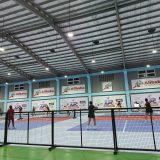
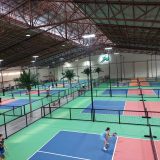
- The Padel / Pickleball Boom: In recent years, racket sports as a whole have surged across the Philippines. While padel and pickleball have experienced massive explosions in popularity (capturing a lot of casual players looking for easier entry points), traditional tennis retains a dedicated core of purists, junior development players, and adult league competitors.
3. Community & Development
- Grassroots & Academies: Private tennis academies and coaching clinics focus heavily on youth development, nurturing the next generation of Filipino junior players who compete in regional Asian Tennis Federation (ATF) and International Tennis Federation (ITF) tournaments.
- Recreational Leagues: Recreational adult tennis is thriving through local club tournaments, social weekend hitting groups, and corporate leagues, making it a popular sport for networking and fitness among professionals.