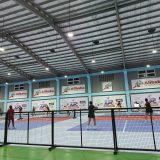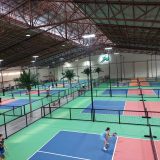

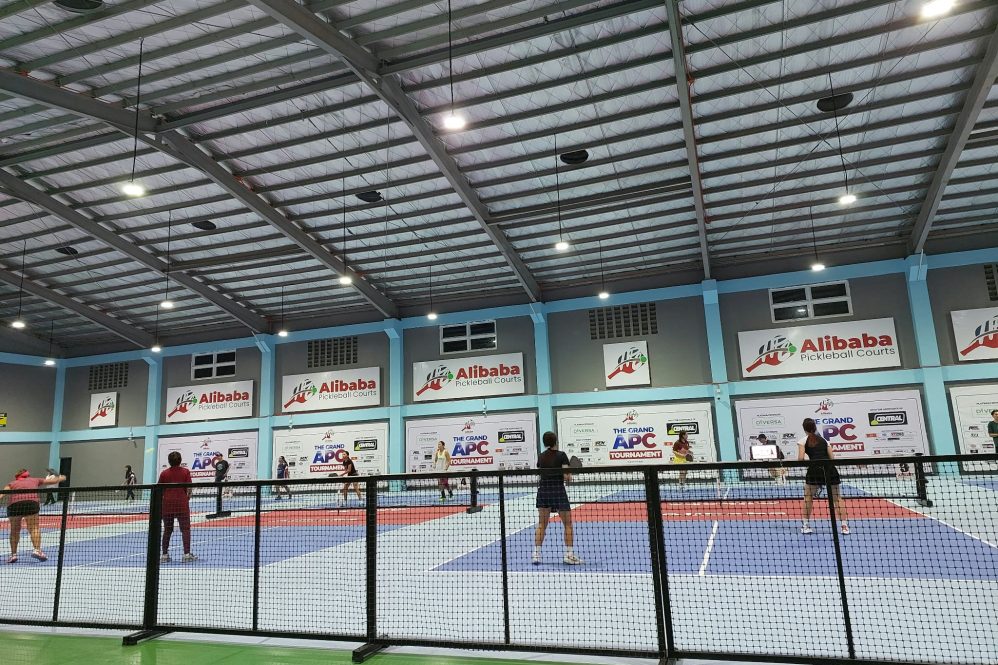
Pickleball is gaining popularity across the Philippines, attracting people of different ages and skill levels. With its simple rules, exciting rallies, and social atmosphere, the sport is becoming a favorite activity for families, fitness enthusiasts, and competitive athletes.
Combining fun, exercise, and friendly competition, pickleball is helping bring communities together while creating new opportunities for Filipino players to develop their skills.
What Is Pickleball?
Pickleball is a paddle sport that combines elements of tennis, badminton, and table tennis. Players use solid paddles to hit a lightweight plastic ball across a net on a court smaller than a tennis court.
Its easy-to-understand rules make it suitable for beginners, while its strategic gameplay keeps experienced players challenged. Whether played casually or competitively, pickleball offers an enjoyable way to stay active and connect with others.
How Pickleball Is Growing in the Philippines
As more Filipinos discover pickleball through international exposure, local sports communities, and recreational facilities, the game continues to reach new audiences.
Schools, private clubs, fitness centers, and dedicated pickleball venues are helping introduce the sport to more players. Sports organizations and local groups also contribute through training sessions, tournaments, and community activities.
These efforts are creating more opportunities for beginners to learn the game and for experienced players to improve their performance.
Why Filipinos Are Embracing Pickleball
Several factors contribute to the growing appeal of pickleball in the Philippines:
- Easy to Learn: Beginners can quickly understand the basic rules and enjoy their first games.
- Accessible Equipment: Paddles and balls are available at different price points, making it possible to start without a large investment.
- Suitable for Different Ages: Children, adults, and seniors can enjoy the sport at their own pace.
- Social and Enjoyable: Doubles matches encourage teamwork, friendship, and community involvement.
- Good for Fitness: Playing regularly can improve coordination, balance, agility, and cardiovascular fitness.
The sport also appeals to Filipinos who enjoy friendly competition and active social gatherings. Its combination of strategy, movement, and teamwork makes every game an opportunity to learn and improve.
A Growing Pickleball Community
Pickleball communities are developing in cities such as Manila, Cebu, and Davao, where players can participate in recreational games, coaching sessions, and local competitions.
Events such as the SM Pickleball Superseries 2026 are also helping introduce the sport to wider audiences and provide opportunities for local players to experience higher-level competition.
Tournaments and exhibitions can inspire aspiring athletes, strengthen connections among players, and encourage greater investment in facilities and training.
What Lies Ahead for Philippine Pickleball?
The future of pickleball in the Philippines looks promising as more communities embrace the sport. Continued support from sports organizations, local governments, private facilities, and volunteers can help expand access to courts, coaching, and organized competitions.
With consistent training and more opportunities to compete, Filipino athletes can continue developing their skills and pursuing success in international tournaments.
As the sport grows, maintaining accessible facilities and welcoming environments will be important to ensuring that beginners and experienced players alike can participate.
More Than a Game
Pickleball is becoming more than a recreational activity in the Philippines. It offers a way for people to stay healthy, build friendships, and become part of an active community.
From casual games with friends to organized tournaments, the sport provides opportunities for enjoyment, personal growth, and friendly competition.
As more Filipinos pick up a paddle, pickleball is steadily establishing its place in the country’s evolving sports culture—bringing people together one rally at a time.