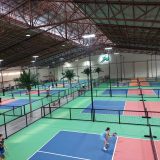

Pickleball is now one of the fastest-growing sports in the world, attracting players of different ages and skill levels. Surprisingly, its success began with a simple idea: finding a fun way for families to spend a summer afternoon together.
How Pickleball Began in 1965
Pickleball was invented in the summer of 1965 on Bainbridge Island, Washington, near Seattle. Joel Pritchard and his friend Bill Bell had just returned from a golf game when they discovered that their families were looking for something entertaining to do.
They found an old badminton court but lacked the proper equipment to play. Instead of abandoning the idea, they decided to improvise using the items they had available.
Turning Simple Equipment Into a New Sport
The two friends used table tennis paddles and a perforated plastic ball to create a new game. They initially followed badminton rules, but soon discovered that the ball bounced well on the ground.
They lowered the net and adjusted the rules, allowing the ball to bounce during play. These simple changes gradually transformed their improvised activity into a unique sport.
About a week later, their friend Barney McCallum joined them. Together, the three men refined the equipment and developed rules that made the game enjoyable and accessible to more people.
Their goal was to create a sport that families could play together, regardless of age or athletic ability.
A Sport Inspired by Three Popular Games
Pickleball combines familiar elements from several established sports:
- Badminton: Its court dimensions are similar to those of a badminton doubles court.
- Table tennis: Players use solid paddles to hit the ball.
- Tennis: The game features a net, rallies, and strategic ball placement.
This combination makes pickleball relatively easy for beginners to learn while offering enough strategy and competition to challenge experienced players.
Why Pickleball Became So Popular
Pickleball’s appeal comes from its accessibility and social nature. Players can enjoy friendly matches with family members, meet new people, stay active, and develop their skills without needing to be professional athletes.
The sport also encourages quick thinking, coordination, movement, and teamwork. Its smaller court makes it convenient for recreational facilities, community centers, and dedicated sports venues.
As more people discover these benefits, pickleball continues to attract players around the world, from casual beginners to competitive athletes.
From a Backyard Idea to a Worldwide Sport
What began as a family activity on a summer day has grown into an international sporting phenomenon. Its history shows that a great sport does not always require expensive equipment or elaborate planning. Sometimes, creativity and a desire to bring people together are enough.
More than six decades after its invention, pickleball continues to unite people through friendly competition, exercise, and community.
From a simple backyard game in 1965 to courts around the world, pickleball remains true to its original purpose: making sport fun and accessible for everyone.